

Why I Love This Cool Green Treat
I first made this panna cotta on a hot summer afternoon. My kitchen smelled like a cozy tea shop. Doesn’t that sound lovely? I still laugh at how my grandkids dipped their spoons in before I even took a picture. This dessert feels fancy but is really simple to make. Have you ever tried a green tea dessert before?
Panna cotta means “cooked cream” in Italian. But this version swaps coffee for a gentle green tea called Hojicha. Hojicha has a toasty, nutty taste. It is roasted, so it is less bitter than other green teas. I love how it makes the cream taste warm and cozy. Find more sweet treats like this one.
The Magic of Hojicha Tea
Hojicha is a special tea from Japan. It is made by roasting green tea leaves over charcoal. This gives it a warm brown color and a smoky smell. I first tasted it at a friend’s house. She served it iced with a spoon of honey. I knew right away I had to put it in a dessert. *Fun fact: Hojicha has less caffeine than regular green tea, so it is gentle on the tummy.*
Why does this matter? Because you can enjoy this dessert even at night without lying awake. It is creamy, calming, and just sweet enough. The tea flavor is not too strong. It is like a hug in a bowl. Check out more refreshing drinks made with tea.
How the Gelatin Works Its Magic
Gelatin might sound tricky, but it is not. You just sprinkle it over cold milk and wait five minutes. This is called “blooming.” It makes the gelatin soft so it melts smoothly into the warm cream. I once forgot to let it bloom. The panna cotta turned lumpy and sad. Learn from my mistake, friend!
Why does this matter? Blooming gelatin gives your dessert that perfect wobbly texture. Not too stiff, not too runny. It is like wiggly jelly but much creamier. Have you ever made anything with gelatin before? Tell me in your heart. Get more tips for cooking with simple ingredients.
The Honey Cream Topping
This topping is a cloud of sweetness. You whip heavy cream until it gets fluffy, then stir in honey and a pinch of salt. The salt makes the honey taste even sweeter. I like to add a tiny bit of yuzu zest on top. Yuzu is a Japanese citrus fruit. It smells like lemon and grapefruit had a baby.
You can also use vanilla bean or sea salt flakes. Each garnish adds a little surprise. My youngest grandkid likes to sprinkle crushed cookies on top. That is okay too! Cooking is about making it your own. What would you put on top? Learn more about our love for simple cooking.
A Little Patience Goes a Long Way
After you pour the mixture into cups, it needs to chill for at least four hours. I know that feels like forever. But this is where the magic happens. The gelatin sets the cream into a gentle wobble. I usually make it the night before. Then I wake up to a ready-made dessert. Doesn’t that feel like a treat?
One time I tried to rush it. I put the cups in the freezer for an hour. Big mistake! The top froze and the bottom stayed liquid. The lesson is: patience tastes better. Have you ever ruined a recipe by hurrying? I bet I am not the only one. Share your funny kitchen stories with us.
Serve It Your Way
This panna cotta is perfect for parties or quiet evenings. You can serve it in little glasses or fancy ramekins. I like using clear cups so you can see the layers. The pale green jelly sits under the white honey cream. It looks like a little garden in a cup.
You can also add fresh berries or a mint leaf on top. My neighbor puts a drizzle of extra honey right before serving. She says it makes the dessert shine. Do you like to dress up your desserts or keep them plain? I love hearing how families eat differently. We respect your privacy and love your stories.
One Last Spoonful
I hope you try this recipe soon. It is cool, creamy, and full of gentle tea flavor. It reminds me that simple things can feel special. A few good ingredients and a little time can make something beautiful. Go ahead, ask your grown-up to help you make it. You can even let the kids whisk the cream.
Now I have a question for you. Which part of this recipe sounds the most fun to try? Is it steeping the tea, whipping the cream, or waiting for it to set? I would love to know. Happy cooking, dear friend. Visit our home for more cozy recipes.
Instructions
Step 1: In a saucepan, warm 2 cups heavy cream and 1 cup milk over medium heat. Do not let it boil, just get it steamy warm. Add 2 tablespoons of Hojicha tea and steep for 10 to 12 minutes. (Stir it now and then so nothing scorches on the bottom.)
Step 2: Strain the warm cream through a fine sieve into a clean bowl. This catches all the tiny tea leaves. Return the smooth, creamy liquid back to the pan. Stir in 1/4 cup sugar, 1 teaspoon vanilla extract, and heat gently until the sugar melts.
Step 3: In a small bowl, sprinkle 2 teaspoons powdered gelatin over 2 tablespoons cold milk. Let it sit for 5 minutes to bloom, like a sleepy sponge waking up. Whisk this bloomed gelatin into the warm cream mix until it’s all dissolved and smooth.
Step 4: Pour the mixture into ramekins or pretty glasses. Let them cool on the counter for a bit. Then cover and refrigerate for at least 4 hours or overnight until set. (I learned the hard way – rushing the chilling makes it watery, so be patient!) What is your favorite cool dessert to make? Share below!
Step 5: For the topping, whip 1 cup heavy cream until soft peaks form. Add 2 tablespoons honey and a pinch of salt. Keep whipping until it’s smooth and pillowy, like a fluffy cloud. Spoon or pipe this over the chilled panna cotta before serving. Doesn’t that smell amazing?
Creative Twists
… Swap the Hojicha for regular matcha powder for a brighter green color and earthier flavor. … Fold in some fresh raspberries or sliced strawberries into the cream before it sets. … Swap the honey cream for a dollop of sweetened mascarpone mixed with a little yuzu zest. Which one would you try first? Comment below!
Serving & Pairing Ideas
Serve each panna cotta with a light sprinkle of sea salt flakes on top of the honey cream. It adds a lovely sweet-and-salty surprise. Pair it with a hot cup of green tea or a cold glass of iced matcha. For a pretty finish, top with a tiny pinch of yuzu zest or a vanilla bean pod. Which would you choose tonight?

Why Storing Your Panna Cotta Right Matters
Let me tell you about my first time making this iced matcha panna cotta. I was so excited I put it in the fridge without a cover. The next day, it smelled like last night’s garlic chicken. Oh, what a mess. Always cover your panna cotta with plastic wrap or a lid. This keeps it from soaking up other smells. The fridge is a busy place, and your dessert needs its own space. You can also batch cook these. Make four or six at once and store them in the fridge. They stay good for up to three days. When you want a treat, just grab one. No fuss. Why does this matter? Because a well-stored dessert tastes fresh and clean. You put love into making it, so protect that love. Have you ever tried storing it this way? Share below! For more sweet treat ideas, visit Irresistible Sweet Treats.
Reheating is not something you do for panna cotta. It is a cold dessert. But if you make a mistake and it gets too warm, just pop it back in the fridge for an hour. The gelatin will help it set again. One time, I left my panna cotta on the counter for too long. I was afraid I ruined it. But a quick chill fixed everything. A good tip is to always keep your fridge at a steady temperature. This helps the panna cotta stay firm and creamy. Batch cooking saves time, too. You can make a big batch on Sunday and enjoy it all week. That is real comfort. For more helpful kitchen tips, check out Healthy Lifestyle Tips.
Three Common Panna Cotta Problems and Easy Fixes
I remember when I first tried making panna cotta, it turned out lumpy. What a letdown. The first common problem is lumps from undissolved gelatin. The fix is simple: always bloom your gelatin in cold milk for five minutes before mixing. This helps it dissolve smoothly. The second issue is a watery texture. This happens when you do not let it set long enough. Be patient and give it at least four hours in the fridge. Overnight is even better. The third problem is matcha clumps. I once had green specks floating in my cream. Not pretty. To fix this, sift your matcha powder before mixing. Then whisk it well into the warm cream. Why does this matter? Fixing these problems makes you a more confident cook. You learn to trust your hands and your fridge. Plus, a smooth panna cotta tastes richer and feels better in your mouth. You deserve that. Which of these problems have you run into before? For more desserts, visit Irresistible Sweet Treats.
Another common issue is that the honey cream topping separates. I have seen it happen. The fix is to whip your cream until soft peaks form, then add honey slowly. A pinch of salt helps it stay stable. This is important because a pretty topping makes the dessert feel special. *Fun fact: Honey was used as a sweetener in ancient desserts long before sugar was common.* So you are following a long tradition. Why does fixing these problems matter? It teaches you that mistakes are just stepping stones. Every lump and clump is a chance to learn. Soon, you will make this dessert with your eyes closed. For more tips on drinks and flavor, check out Refreshing Drinks.
Your Quick Questions, Answered
Can I make iced matcha panna cotta without gelatin? You can, but the texture will be very different. Gelatin is what gives panna cotta that soft, jiggly feel. Without it, your dessert will be more like a thick pudding. You could try agar-agar, which is a plant-based thickener. Use about one teaspoon of agar powder for every cup of liquid. Just boil it for a couple of minutes to activate it. Then let it set in the fridge. It will be a bit firmer than gelatin. Still tasty, just different. For more recipe ideas, visit Spoons Way.
How do I prevent matcha from clumping in cold liquids? Clumping is a common problem with matcha. The trick is to sift your matcha powder into a small bowl first. Then add a tiny bit of warm liquid, like a splash of warm cream or milk. Whisk it into a smooth paste. It should look like green paint. Then mix that paste into your cold liquid. You can also use a bamboo whisk, called a chasen. It works wonders for breaking up clumps. This keeps your panna cotta smooth and pretty. For more kitchen secrets, check out About Us.
What type of honey works best for drizzling? I like a light, runny honey for drizzling. Something like orange blossom or clover honey works perfectly. They are mild and let the matcha flavor shine. Thicker honey, like manuka, can be too heavy and hard to drizzle. If you only have thick honey, warm it in a hot water bath for a few seconds. That makes it pour easily. The honey adds a gentle sweetness that balances the earthy matcha. It is a simple touch that makes a big difference. For more tips, visit Healthy Lifestyle Tips.
How long does matcha panna cotta need to set? You need at least four hours in the fridge. I usually let it sit overnight for the best texture. The gelatin needs time to firm up completely. If you rush it, the panna cotta will be runny and sad. Be patient. You can check it by gently shaking the ramekin. It should wobble like jelly but not slosh like soup. A good set makes all the difference. For more dessert timing tips, check out Irresistible Sweet Treats.
Can I use dairy-free milk for this recipe? Yes, you can. Use oat milk or coconut milk for a dairy-free version. Just keep in mind that the texture will be a bit different. Coconut milk gives a richer, creamier feel. Oat milk is lighter. You will need to use a dairy-free gelatin alternative, like agar-agar. Follow the package directions for how much to use. The flavor will still be lovely, with that nice matcha taste. It is a great option for anyone who cannot have dairy. For more dairy-free ideas, visit Spoons Way.
How do I get a smooth panna cotta texture? Smooth texture comes from a few simple steps. First, always bloom your gelatin in cold milk. This prevents lumps. Second, whisk the gelatin into the warm cream slowly and steadily. Do not rush. Third, strain your final mixture through a fine sieve before pouring it into ramekins. This catches any stray bits. Fourth, let it set in the fridge without moving it. Any shaking can cause cracks. Follow these steps, and your panna cotta will be silky and perfect. For more dessert tips, check out Contact.
Which tip will you try first? Let me know in the comments.
A Warm Farewell from My Kitchen to Yours
I hope you enjoyed learning about this iced matcha panna cotta. It is a treat that brings joy to any table. I love how the honey and matcha dance together. It reminds me of lazy summer afternoons. Now it is your turn to make it. Do not worry about perfection. Just have fun and taste as you go. Cooking is about love, not rules. Have you tried this recipe? Let me know how it turned out. Your stories make my kitchen feel bigger. For more recipes and stories, visit Spoons Way. Happy cooking! —Grace Ellington.

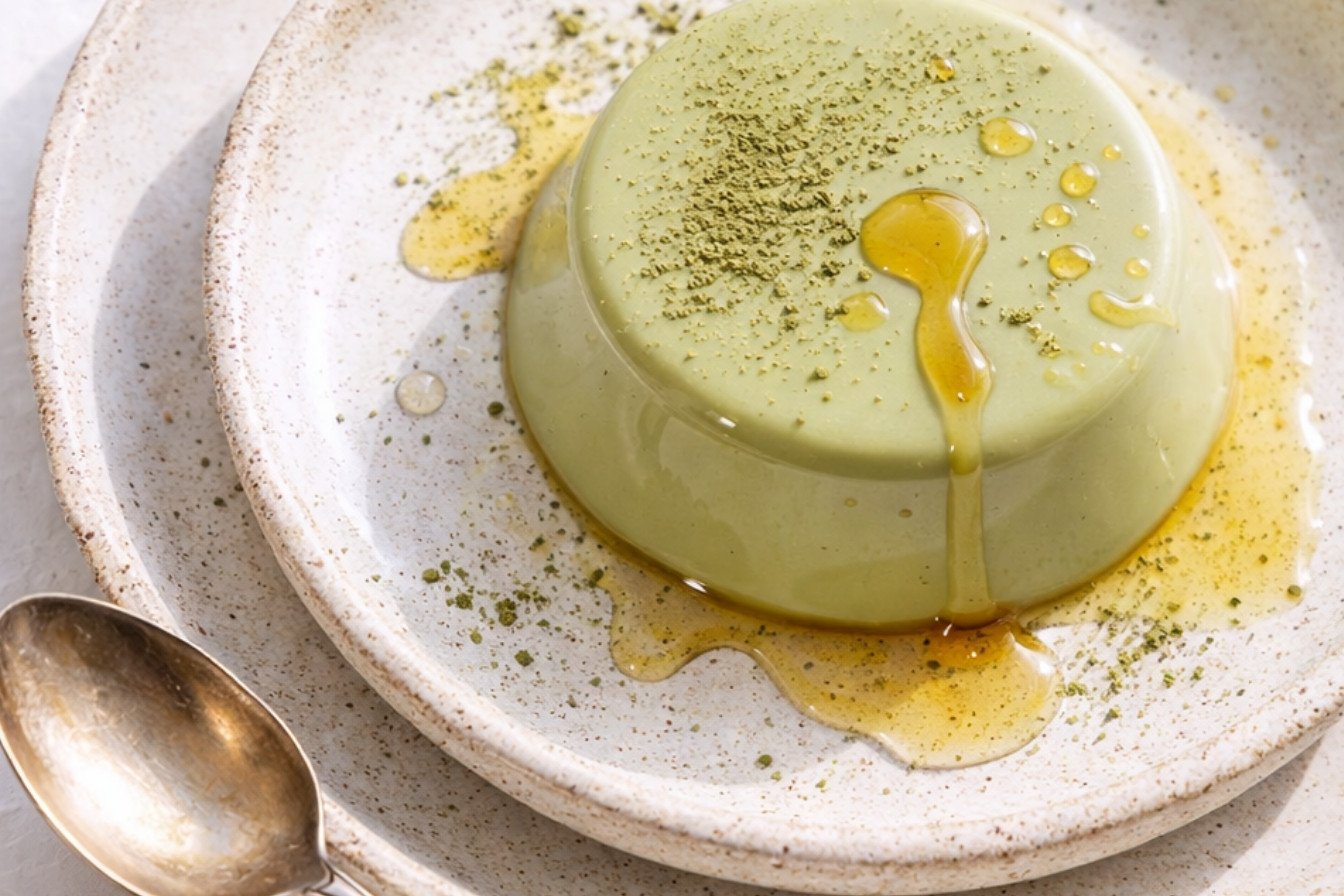
Iced Matcha Panna Cotta Drizzle with Honey
Description
A creamy and elegant Japanese-inspired dessert featuring a silky Hojicha-infused panna cotta topped with a cloud-like honey whipped cream.
Ingredients
For the Honey Cream Topping:
Instructions
- In a saucepan, heat heavy cream and milk over medium heat until warm. Add Hojicha tea and steep for 10–12 minutes, stirring occasionally.
- Strain the mixture through a fine sieve to remove tea particles.
- Return the infused cream to the pan, stir in sugar and vanilla extract, and heat gently until the sugar dissolves.
- In a small bowl, sprinkle gelatin over cold milk and let bloom for 5 minutes.
- Whisk the bloomed gelatin into the warm Hojicha mixture until fully dissolved.
- Pour the mixture into ramekins or glasses. Let cool slightly, then refrigerate for at least 4 hours or overnight until set.
- To make the honey cream, whip heavy cream until soft peaks form, then add honey and salt. Continue whipping until smooth and pillowy.
- Spoon or pipe the honey cream over the chilled panna cotta before serving. Garnish as desired.
Notes
- No nutrition information provided in the text.